
How people communicate, handle conflict, and develop each other shapes workplace culture. I partner with organizations and individuals through training and organizational development to build inclusive, socially just workplaces equipped to address today's toughest challenges.
People skills are the glue that holds everything together
Communication and conflict resolution get filed under 'soft skills' — contrasted against 'hard skills': the things that are visible, quantifiable, and treated as more important simply because they're easier to name. What gets labeled soft is harder to see, and harder to address because of it: how people talk to each other, how they treat each other, the tension that sits in a meeting, the culture around who feels safe enough to speak up, and what happens when they do.
But communication and conflict resolution are what make everything else possible. Internally, they're the difference between a workplace where people feel valued and one where people are just told they're valued. Externally, they're how clients experience your organization. Both matter.
Flexibility and adaptability live inside this skillset too. This is what makes an organization able to hold real people, real conflict, real change.

Challenges that I help organizations overcome
Training doesn't land
We’ve had trainers come in before, but they don’t understand the work we do, so no one takes the training seriously. And, of course, it doesn’t stick.
Trouble giving and receiving feedback
We promote from within, but our team leads have trouble with feedback. Much of what they do involves giving or receiving feedback.
Lack communication skills
We have talented people with the technical skills to do the job. The problem is they don’t know how to communicate with each other.
We avoid conflict
There’s a culture of avoiding conflict. It’s getting in the way of everything else we do.
Trouble putting our values into practice
We have dedicated people, but there’s a disconnect between the values on the wall and how people show up.
If any of this sounds familiar, you’re in the right place.

AREAS OF EXPERTISE
I design skills-based training programs built around what your organization actually needs, not a one-size-fits-all curriculum. My work falls into two areas: Training Solutions and Organizational Development. My organizational development work is intentionally limited to one or two clients at a time — I'd rather do this well for a few than try to be all things to all people. I'm not accepting new organizational development clients right now, but reach out if you'd like to know when a space opens up.
A note on skills-based training
Not every group that comes to me is looking for a creative retreat or a personal practice — sometimes what's needed is skill-building, taught in a way that actually translates outside of the training room. This is training built for organizations, teams, and groups who want practical outcomes — conflict resolution, leadership, communication — facilitated experientially and grounded in cultivating skills and competencies that can be used right away.
TRAINING SPECIALTIES
The skills have to leave the training room. Otherwise it’s not training, it’s just another meeting.
Communication and Conflict Resolution
For individuals, groups, and organizations
Effective workplace communication is a skill set that can be taught. I design training programs that address communication skills gaps — the space between what people already know and what they need to know to work well together.
Whether you’re looking for a full program or are interested in modular options, my trainings equip participants with the interpersonal skills and knowledge they need to competently communicate and address conflict.
DELIVERABLES MAY INCLUDE:
PRE AND POST-TRAINING ASSESSMENTS
WORKSHOP SERIES OR MODULAR SESSIONS
NEW TRAINEE MENTORING
SMALL GROUP FACILITATION
Training Design and Delivery
For in-house trainers and facilitators
Successful facilitation requires a great deal more than activity management. My training delivery and facilitation services are designed to equip your in-house trainers and facilitators with frameworks and strategies that elevate your learning programs.
Your trainers will learn to read a room, shift gears without losing track of the objectives, and sequence learning so it meets people where they are and gives them the tools to move forward.
DELIVERABLES MAY INCLUDE:
CURRICULUM DESIGN
MENTORING
FACILITATOR TRAININGS
WORKSHOPS
MEET DR. WILSON
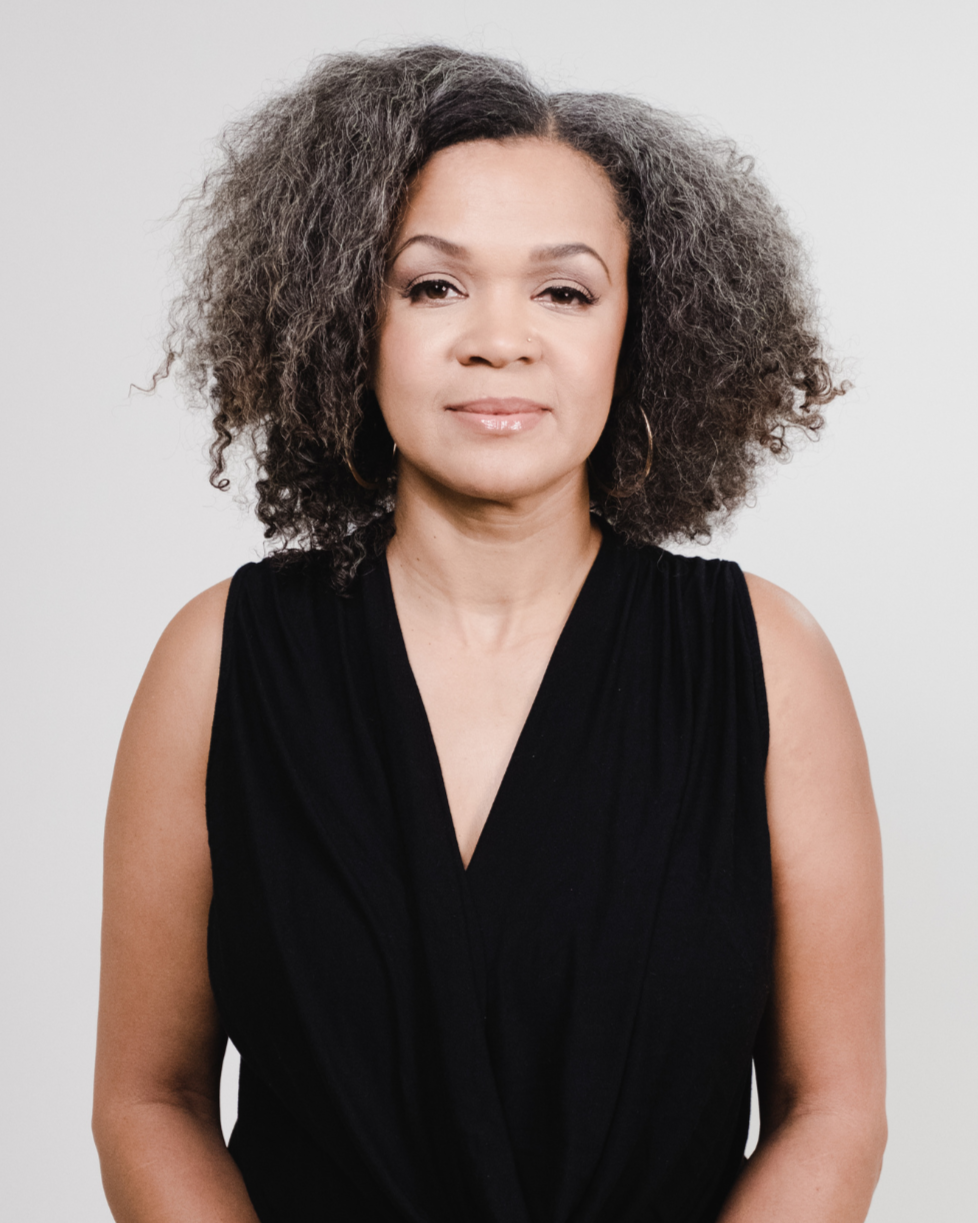
I hold a Ph.D. in Urban Affairs & Public Policy, an M.Ed. in Adult & Organizational Development, and a B.B.A. in Human Resources Management. Over more than 25 years, I've taught at the graduate and undergraduate level, and worked across human resources consulting and workforce development before specializing full-time in training and organizational development.
ORGANIZATIONAL DEVELOPMENT
What organizational development is and how it supports the work you do
Organizational development (OD) looks at how your organization is designed — its culture, leadership, and strategic direction — and whether that design actually lets you deliver on your mission. It works at the level of patterns and structures, not individual performance: what shapes how your teams communicate, handle conflict, and adapt when things change. Because those patterns are carried by people, this work sits close to psychology — group dynamics, and how adults grow and change over time. Understanding your organization's systems takes the same lens as understanding how your people learn. That pairing is what makes change durable, not just well-intentioned.
My OD work focuses on shifting culture, aligning values, and building resilience. That kind of change doesn't come from a single workshop — it comes from a longer engagement, on-site, often over several months, working alongside your team the whole way. The goal is that the change outlasts the engagement: your people keep using what we build together long after I'm gone.
DELIVERABLES MAY INCLUDE:
ASSESSMENT TOOLS
CUSTOM WORKSHOPS
MENTORING
TRAINING GUIDES

I begin with questions. The right ones reveal what's actually going on.
A successful engagement is one where your people walk away with the skills and confidence to carry this forward without me. That starts with being willing to look honestly at what isn't working, and address it from the inside out, top to bottom. That's what makes training stick beyond the time we spend together.
MY APPROACH
-
I bring a deep curiosity to every project. This looks like asking questions including uncomfortable ones, and listening, so that I can understand what is actually happening before I offer any solutions.
-
I utilize a broad range of methods from structured discussions and skill application, to scenario-based learning and reflective exercises. For some clients I include creative and expressive-arts modalities; for others, I don’t. Knowing when, where, and why to use these methods is what differentiates my training programs.
-
Every organization runs on power — who has it, who doesn't, and how it shapes communication, conflict, and culture, whether anyone names it or not. My approach to this is intersectional: race, gender, class, and other dimensions of identity don't operate separately, and neither does how they show up in a room. I build that analysis into the work itself, not apply it as a separate lens afterward.
-
I work with you to build a culture of learning into your organization. When learning is a practice baked into what you do, you strengthen your overall capacity and empower people to do their best.
-
Lasting change requires practice, not just information. I build in hands-on application, critical thinking, and creativity, so people leave with the skills and confidence to make it last on their own.
-
This work depends on trust. Organizations bring me in for real, often difficult challenges, and I hold what's shared with the same care I'd want extended to me. Who I work with, and what we work on, stays between us.
Why choose me?
I don’t make unrealistic promises. You’re paying for training that transfers, not just training that feels good. I have the experience needed to analyze complex problems and translate that information into training that empowers your staff with the tools they need. I don’t just swoop in and offer solutions. I partner with you to understand where your organization is, and collaborate with you to get it to where you want it to go.

Initial conversation
Every engagement begins with a conversation to determine how we can work together. No sales pitch. No pressure.
Contracting, assessment, and design
After we agree on terms, I customize the training to the needs of your organization and your people. These aren't add-ons — they're the starting point for each program.
Implementation and integration
I show up ready to work alongside you, not over you.
HOW IT WORKS
ENGAGEMENT MODELS
-
Ideal for one-time workshops and defined projects
A defined scope and timeline, built around a specific outcome: a single workshop or training series, a curriculum or training guide, a mentoring session.
Fee scoped per project
-
Ideal for ongoing organizational development work
Ongoing access to strategic support and facilitation, for organizations doing this work continuously rather than in a single push.
Monthly Retainer - 3 month minimum
*I'm not accepting new organizational development clients right now, but reach out if you'd like to know when a space opens up.
-
Ideal for conferences and special events
A single session: a keynote, a conversation your team needs outside support to hold well. I am available for organizational events, panel facilitation, and conferences in the areas of my expertise.
Day/Half-Day Rate - upon request

A conversation is a great place to start. Let’s talk.
I offer a complimentary 15 minute call.
Frequently Asked Questions
-
Everyone in an organization works with other people, which makes this training relevant well beyond a single team or department. Training programs can be delivered for a single team, a cross-functional cohort, or the whole organization across multiple sessions.
-
Yes. Each session is designed to work on its own, so you can start with one, two, or any combination, and add more when you're ready.
-
Sessions run with up to 20 participants, to allow room for meaningful practice and debriefing. For organizations wanting to train larger groups, the group would be divided accordingly.
-
In-person, on-site at your organization.
-
All levels — this workshop is built for staff across an organization, from entry-level to senior, along with new team leads and community members navigating conflict outside a single workplace.
-
Session length varies by program and by what works for your organization — we'll settle on that together during the scoping conversation. Most sessions run two to four hours — enough time to practice and debrief.
-
Yes, and often that's the more powerful approach. Training works best when it's connected to a broader culture or OD effort. I'm happy to design a more integrated engagement.
-
Several weeks at minimum, though complex multi-session programs benefit from more lead time to allow for proper scoping and organizational preparation. Reach out and we'll figure out what's realistic.
-
No. Both are popular in corporate training, but the evidence doesn't hold up, and personality typing in particular runs counter to how I think about people and change. I use methods that are grounded in what actually works.
-
No, not as stand-alone sessions. My approach is intersectional — race, gender, equity, and inclusion are built into everything I do, not treated as a separate module or a compliance box to check. If a stand-alone training is specifically what you're looking for, I'm not the right fit.
-
Each workshop is tailored to the organization and people in it. While the general structure remains the same, the facilitation, the exercises, and conversations will look different each time.
-
Clients determine the next steps. If you’d like to bring me in for a follow-up session or conversation, or would like me to conduct a post-training assessment, I’m happy to discuss these options at any point.
-
Conflict isn't neutral ground. Everyone who walks into a hard conversation brings their own history with conflict, their position in the room, and the power and culture around them — whether they're aware of it or not. Real competence starts with naming that, not skipping past it.
That's why this workshop opens with self-awareness — how you show up shapes what happens next. It moves into power and culture, because the room itself carries weight before anyone says a word. And it builds toward feedback, accountability, and agreements, because those only hold up once the first two are in place.
-
I don't build my trainings around "intelligence" as a measure of anything — emotional or otherwise. Intelligence framing sorts people into a hierarchy that rewards some people and penalizes others. It sets up a binary between those who are considered “smart” and everyone else. That’s not just inaccurate, it’s actively unhelpful when the goal is building skills people can practice and grow.
Conflict competence is relational – it plays out between people, shaped by who’s present, what power is at play, and what’s actually at stake. Treating conflict as solely an individual problem strips out the thing that makes it real — relationships. Self-awareness, empathy, and accountability are built the way any relational skill is built – through real guided practice with other people.
Additionally, emotional intelligence leans on one narrow, culturally specific way of expressing and reading emotion. People who process or communicate differently — including many neurodivergent and disabled people — get read as lacking a skill they actually have. That's not a competency gap. That's a mismatch between how someone shows up and what a test expects to see.
-
Most negotiation training treats agreement-building as a technical exercise — name the interests, generate options, point to objective criteria. What that leaves out is power: whoever has less of it in the room often doesn't get to name their real interest in the first place, and "objective criteria" can just encode the same inequity being negotiated around. This workshop treats power and repair as part of the work from the start, not an afterthought.
-
Pricing is scoped per project. Reach out for a quote specific to your organization.